
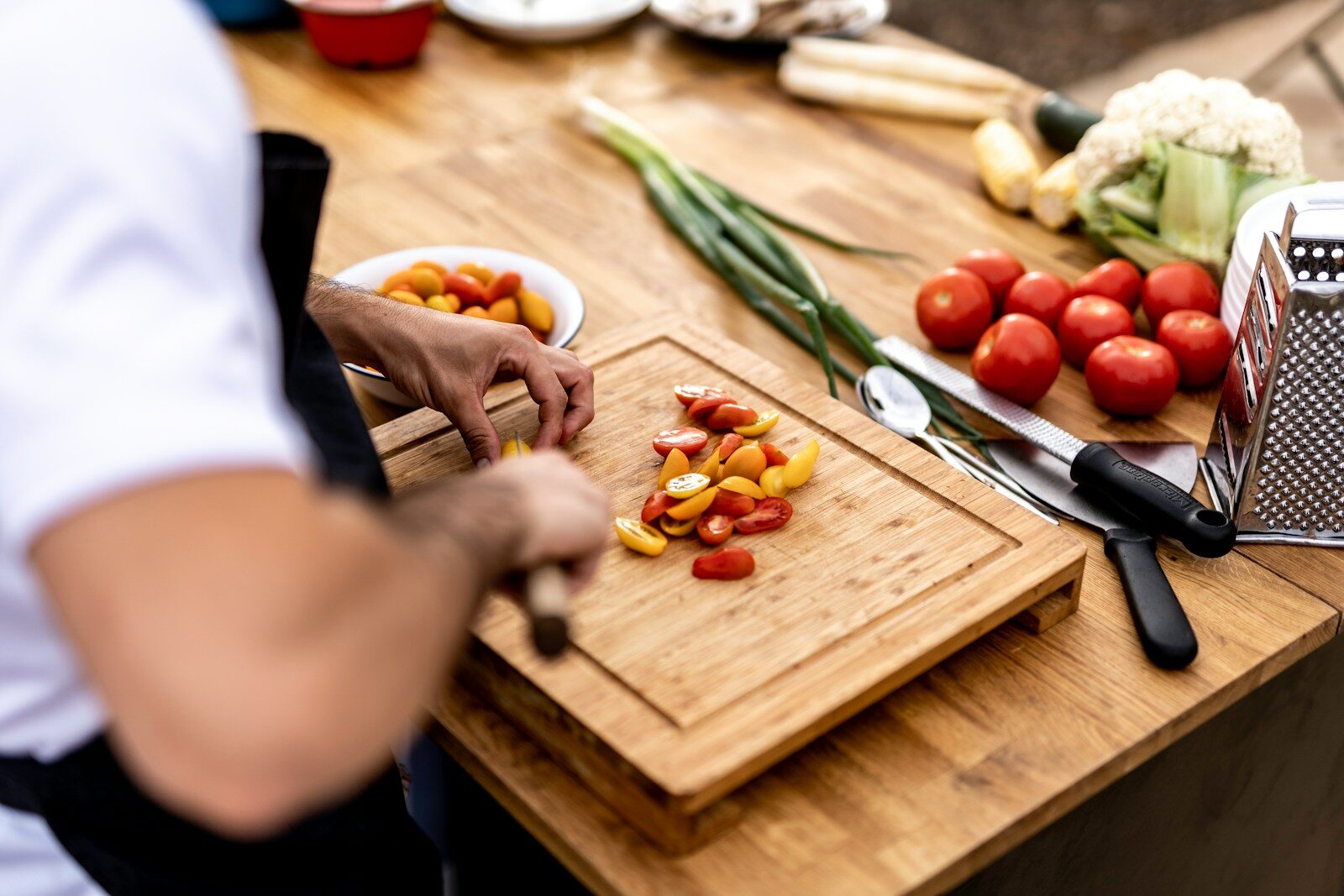
Cooking is one of the oldest arts and one which has rendered us the most important service in civic life.
Cooking or cookery is the art, technology, science and craft of preparing food for consumption with or without the use of heat. Cooking techniques and ingredients vary widely across the world, from grilling food over an open fire to using electric stoves, to baking in various types of ovens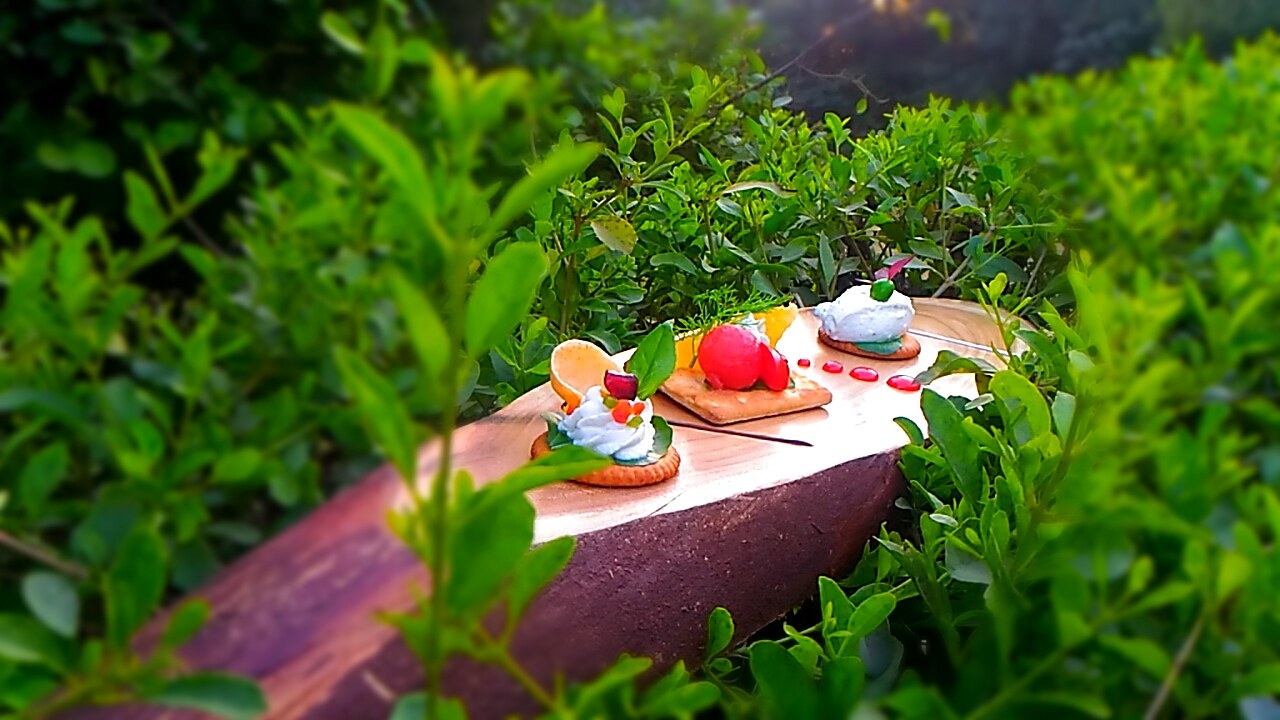 , reflecting unique environmental, economic, and cultural traditions and trends
The application of scientific knowledge to cooking and gastronomy has become known as molecular gastronomy. This is a subdiscipline of food science. Important contributions have been made by scientists, chefs and authors .
Chemical processes central to cooking include the Maillard reaction – a form of non-enzymatic browning involving an amino acid, a reducing sugar and heat.
Food safety
Cooking can prevent many foodborne illnesses that would otherwise occur if the food is eaten raw. When heat is used in the preparation of food, it can kill or inactivate harmful organisms, such as bacteria and viruses, as well as various parasites such as tapeworms and Toxoplasma gondii. Food poisoning and other illness from uncooked or poorly prepared food may be caused by bacteria such as pathogenic strains of Escherichia coli, Salmonella typhimurium and Campylobacter, viruses such as noroviruses, and protozoa such as Entamoeba histolytica. Bacteria, viruses and parasites may be introduced through salad, meat that is uncooked or done rare, and unboiled water.
The sterilizing effect of cooking depends on temperature, cooking time, and technique used. Some food spoilage bacteria such as Clostridium botulinum or Bacillus cereus can form spores that survive boiling, which then germinate and regrow after the food has cooled. This makes it unsafe to reheat cooked food more than once.
Cooking increases the digestibility of many foods which are inedible or poisonous when raw. For example, raw cereal grains are hard to digest, while kidney beans are toxic when raw or improperly cooked due to the presence of phytohaemagglutinin, which is inactivated by cooking for at least ten minutes at 100 °C (212 °F).
Food safety depends on the safe preparation, handling, and storage of food. Food spoilage bacteria proliferate in the “Danger zone” temperature range from 40 to 140 °F (4 to 60 °C), food therefore should not be stored in this temperature range. Washing of hands and surfaces, especially when handling different meats, and keeping raw food separate from cooked food to avoid cross-contamination, are good practices in food preparation.Foods prepared on plastic cutting boards may be less likely to harbor bacteria than wooden ones.Washing and disinfecting cutting boards, especially after use with raw meat, poultry, or seafood, reduces the risk of contamination.
Effects on nutritional content of food
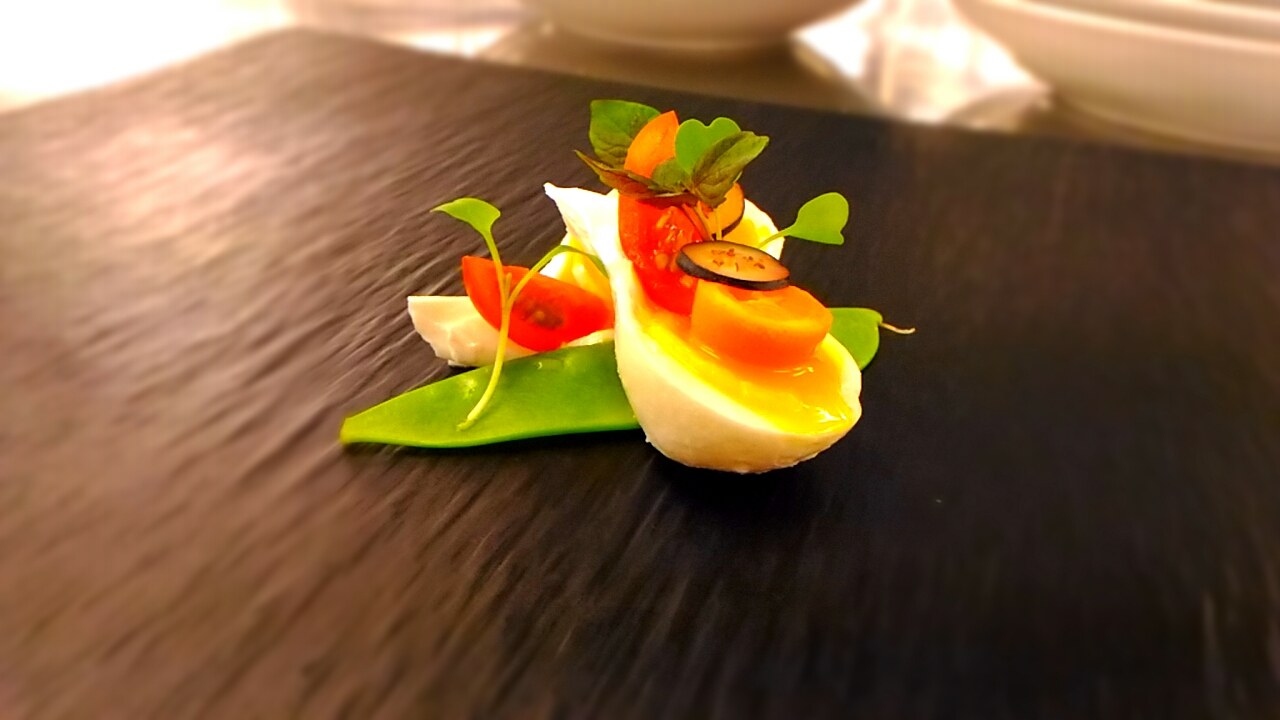
Proponents of raw foodism argue that cooking food increases the risk of some of the detrimental effects on food or health. They point out that during cooking of vegetables and fruit containing vitamin C, the vitamin elutes into the cooking water and becomes degraded through oxidation. Peeling vegetables can also substantially reduce the vitamin C content, especially in the case of potatoes where most vitamin C is in the skin. However, research has shown that in the specific case of carotenoids a greater proportion is absorbed from cooked vegetables than from raw vegetables.
German research in 2003 showed significant benefits in reducing breast cancer risk when large amounts of raw vegetable matter are included in the diet. The authors attribute some of this effect to heat-labile phytonutrients.Sulforaphane, a glucosinolate breakdown product, which may be found in vegetables such as broccoli, has been shown to be protective against prostate cancer, however, much of it is destroyed when the vegetable is boiled.
The USDA has studied retention data for 16 vitamins, 8 minerals, and alcohol for approximately 290 foods for various cooking methods..
Happy cooking .
Thanks Ashish Ji..
You r most welcome .
Awesome ?
Thanks for sharing such a wonderful block.?
Thanks you very much