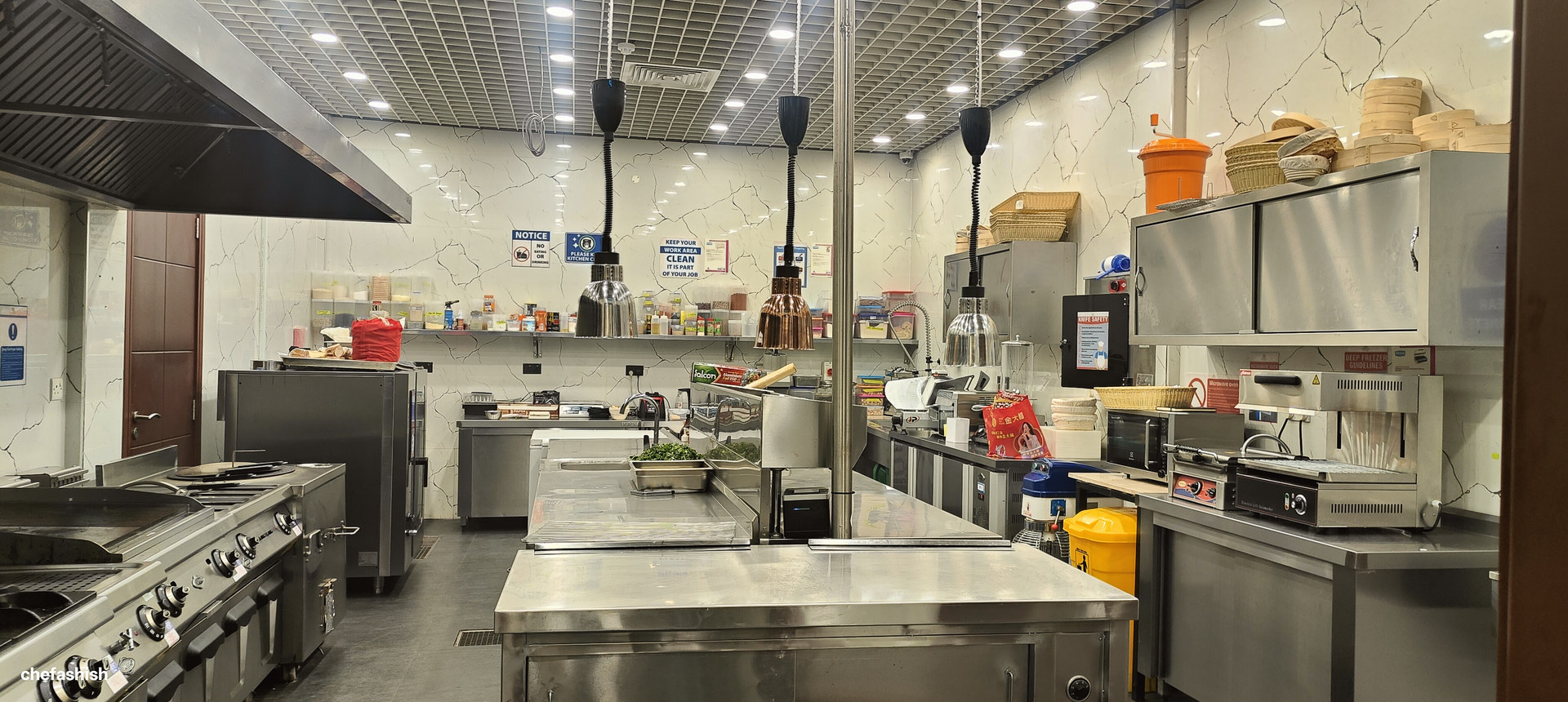
The brief that arrived was a refurbishment. The dining room was tired, the owner wanted it refreshed before the season, and the kitchen was not part of the conversation. Two days on site made it clear the room was not the problem.
What the audit found
The menu had grown for years without anything ever being removed. Too many dishes were being carried by four stations, which meant prep started before dawn and the pass still backed up in the evening. Nobody could say what a single plate cost, because nothing had been costed since the outlet opened.
Food cost sat well above target, but the cause was not purchasing. Suppliers were competitive and waste was ordinary. The margin was leaking through a menu mix that pushed guests toward the dishes with the worst yields.
What was done
The menu was cut before anything was bought. Every dish was yield tested and costed line by line, and anything that could not earn its station was removed. What remained was consolidated onto four stations that could actually execute it at peak, and pricing was rebuilt from plate cost upward rather than from the old list downward.
- Yield tests and plate costing for every dish carried forward
- Menu architecture rebuilt around what four stations can hold at peak
- Prep consolidated, with batch sheets and station checklists written for each
- Two weeks on the pass with the team that would run it after handover
- A numbers baseline and a ninety-day review booked at handover
Where it landed
The kitchen came out with a shorter menu, a faster pass and a costed price list it could defend. More usefully, it came out with the method. The costing sheets and station checklists stayed behind, so the next menu change did not need a consultant to run it.
A refurbishment fixes what guests see. It does not fix what the kitchen cannot execute.