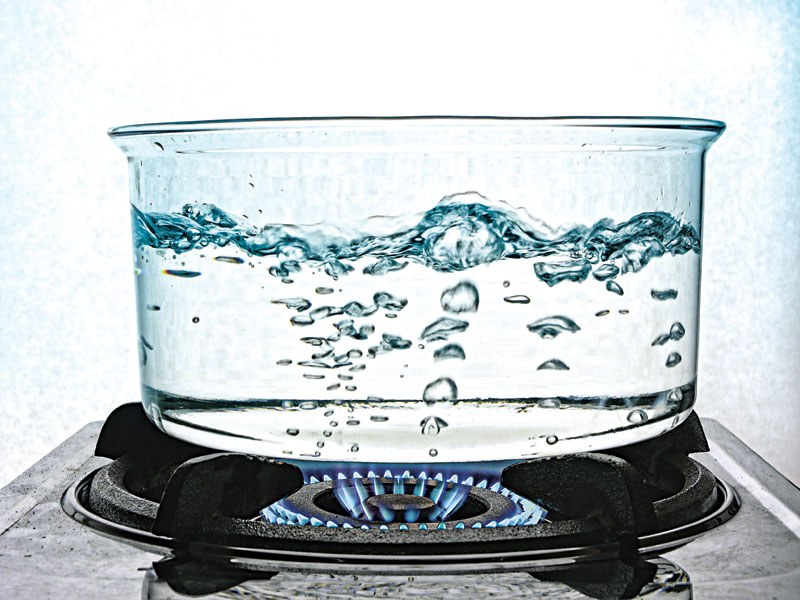
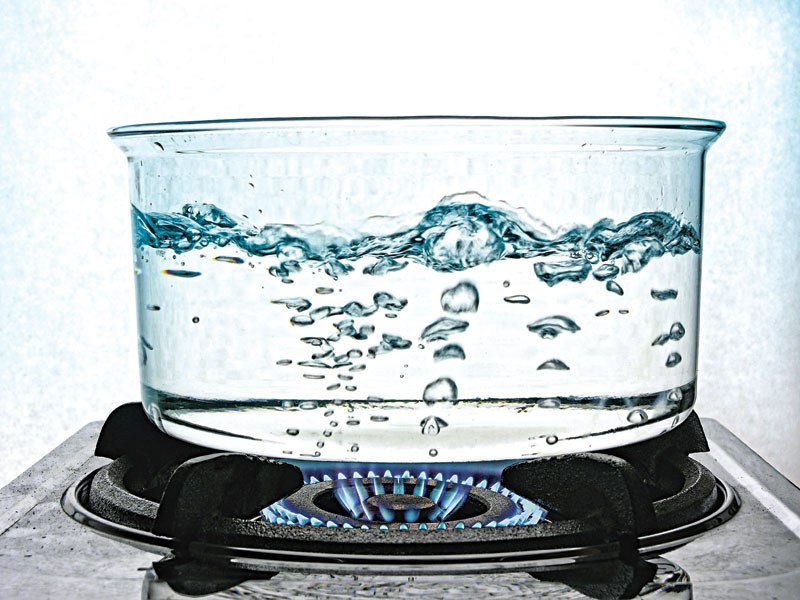
Most difficult job to decide whether to cook my food with cold water or hot water if we are cooking with water .
If you’re trying to decide whether to start a food cooking in cold
water or hot, consider whether you want the food to cook quickly
or gently and also the size. If you plunge a large object into boiling
water, the outside is going to cook before the inside. On the other
hand, if you start small pieces of food in cold water, they’re likely to
overcook by the time the water gets hot.
This rule is simple to remember:
Vegetables that grow underground (potatoes, carrots, beets, turnips), should start off in cold water.
Vegetables that grow above ground (greens, peas, corn) should be placed into already boiling water
• Potatoes, beets, and other large vegetables:
If you want large
vegetables such as potatoes to cook evenly, start them in cold water so
that the temperature of the inside of the potato has time to heat up at
the same rate as the outside. If you plunge a potato in boiling water,
the outside will cook while the inside remains uncooked.
• Eggs:
Plunge eggs into boiling water because you want the out-
side (the white) to cook faster than the yolk. People like yolks to vary-
ing degrees of doneness, but no one likes a runny white.
• Green vegetables:
Green vegetables or any food that needs to be
cooked quickly should be plunged into boiling water—the more the
merrier so that vegetables don’t cool the water.
• Meats:
The old axiom regarding meat is that meats should be
added to simmering liquids if you want to keep the savor in the meat.
If you want the savor to go into the surrounding liquid, the idea goes,
start the meat in cold water. I find, though, that if you plunge meat
into hot water, it releases proteins that coagulate and cloud the broth.
If you start the meat in cold water, the proteins are released more
slowly such that they form longer strands that tangle up into froth,
scum, and foam, which can then be skimmed off, leaving behind clear
broth .
• Fish:
To poach, start in cold water for very large fish such as
whole salmon, and in hot water for small fish. If you poach a large fish
in already simmering water, the outside will cook before the heat can
reach the center. If you poach a small fish in cold water, it will over-
cook by the time the water reaches the simmer.
Pasta :
Pasta always cooked in boiling water to prevent over cooking and sticking, if we start cooking pasta in cold water then by the time water will heat up pasta will get soggy which will result as a over cooking .
So pasta always cooked in hot boiling water to prevent over cooking .
Thanks.
Happy cooking …..ask your question here in comment if you have any. …