All-day dining, once seen as a basic buffet-and-a-la-carte outlet in hotels, has undergone a major transformation in recent years. The evolving expectations of guests, changing travel patterns, and the rise of lifestyle-driven hospitality have reshaped how hotels design, operate, and position their all-day dining (ADD) restaurants. Today, an ADD outlet is not just a meal venue—it is the culinary identity of the hotel and a strong revenue generator.
1. From Buffets to Curated Dining Experiences
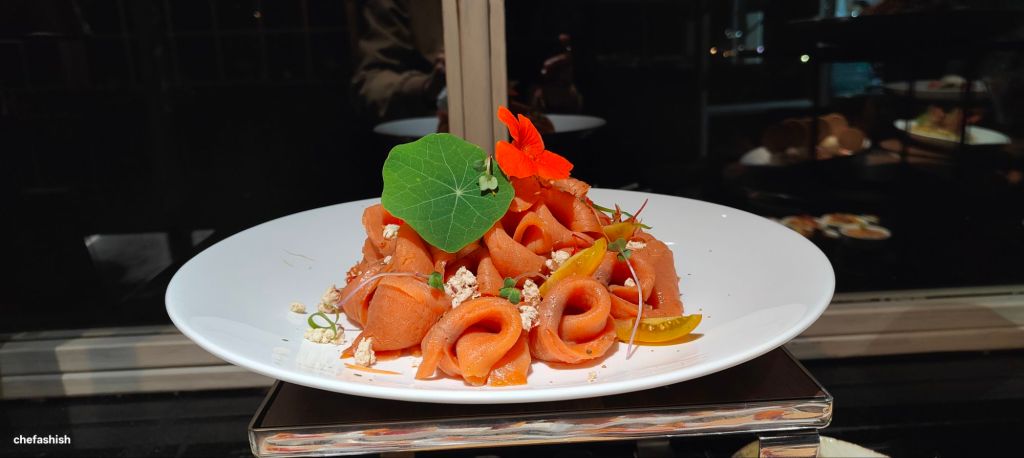
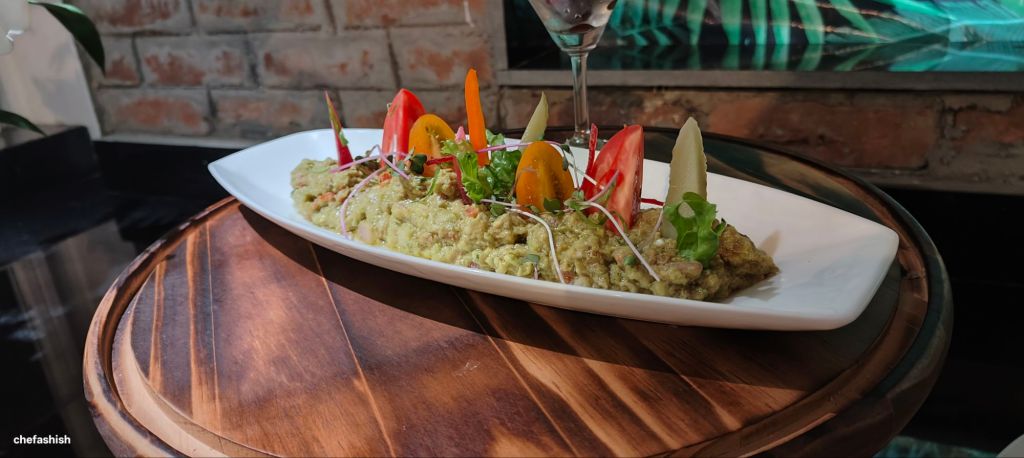
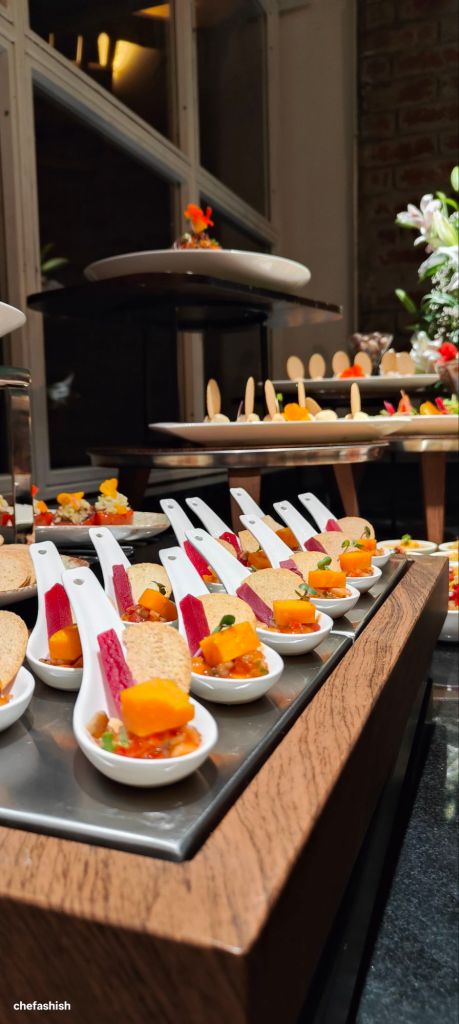
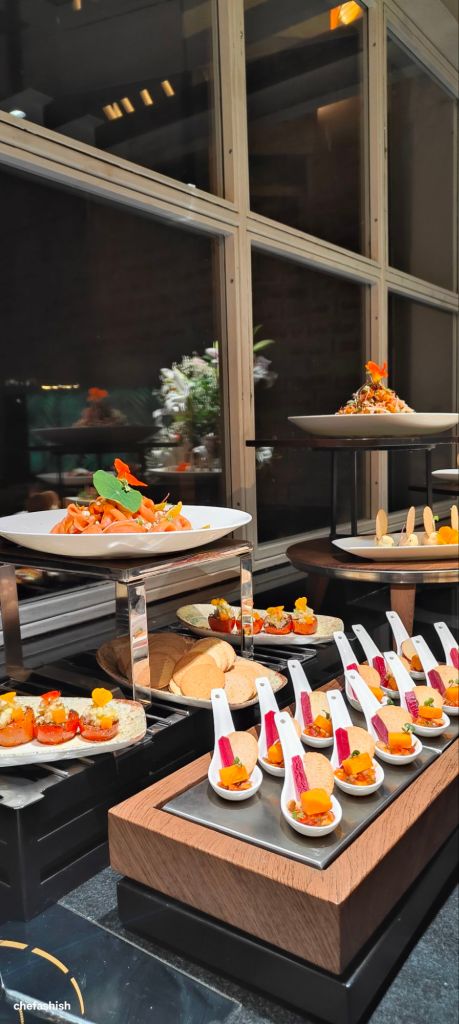
Traditional buffets with large spreads are being replaced by:
-Smaller, premium, high-quality buffets
Live interactive counters
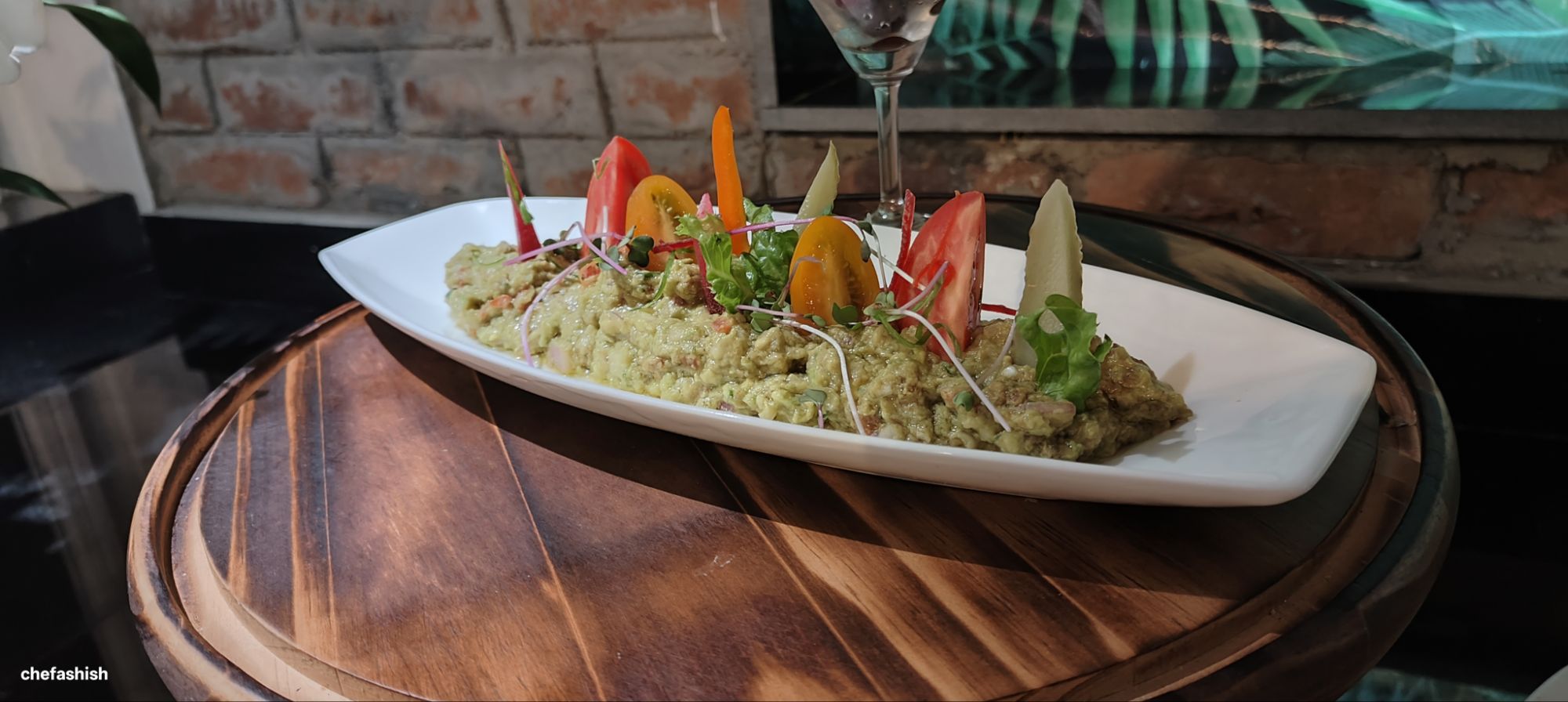
-Chef-driven menus with storytelling and local inspiration
-Guests prefer quality over quantity, and hotels are adapting by reducing wastage, improving food cost, and enhancing experience.
2. Rise of Local, Regional & Hyper-Local Cuisines
Guests today actively seek authenticity.
Modern ADD outlets focus on:
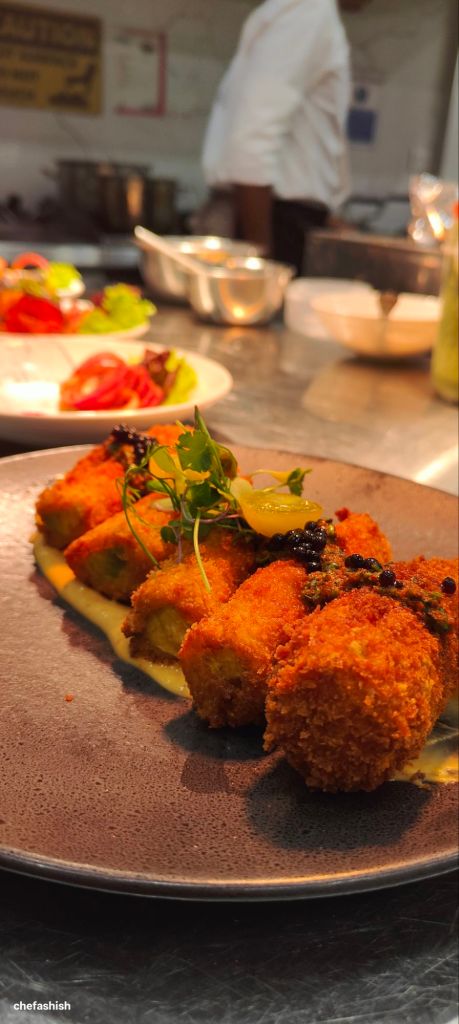
-Local dishes with a modern twist
-Farm-to-table ingredients
-Regional breakfast and comfort food options
This shift also creates a strong connection between the hotel and its destination.
3. Flexible Dining & Anytime Menus
Today’s travelers, especially millennials, digital nomads, and leisure guests, expect flexibility.
Hotels are responding with:
–Smaller, smart menus available round the clock
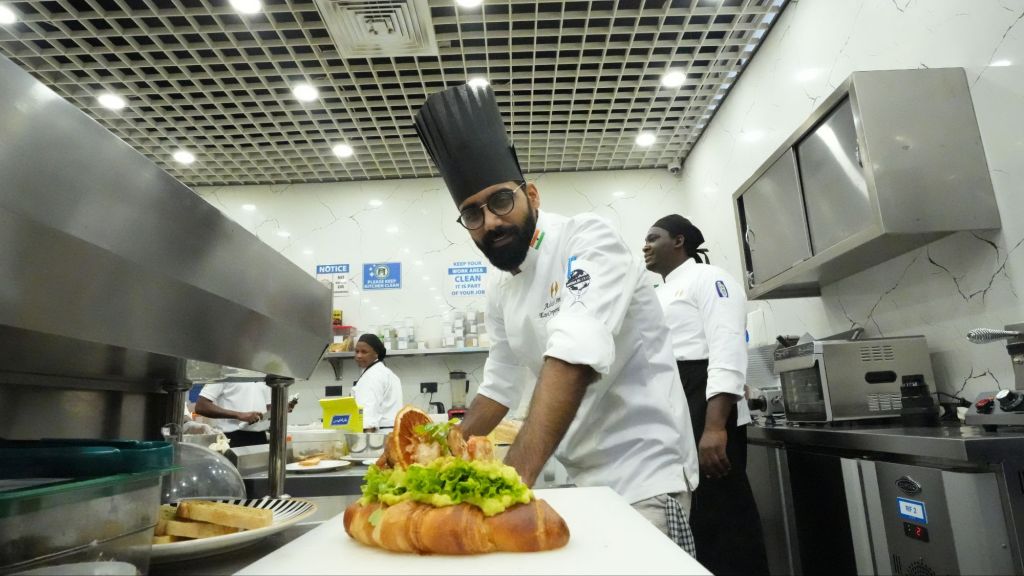
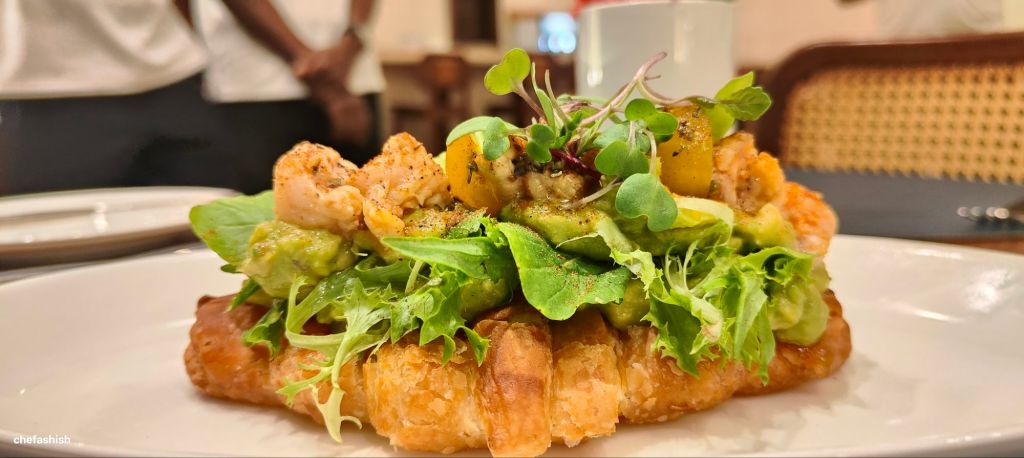
Bowl meals, healthy plates, and quick gourmet options
–Grab-and-go counters for convenience
The traditional “set meal timings” are disappearing in many properties.
4. Health, Wellness & Dietary Consciousness
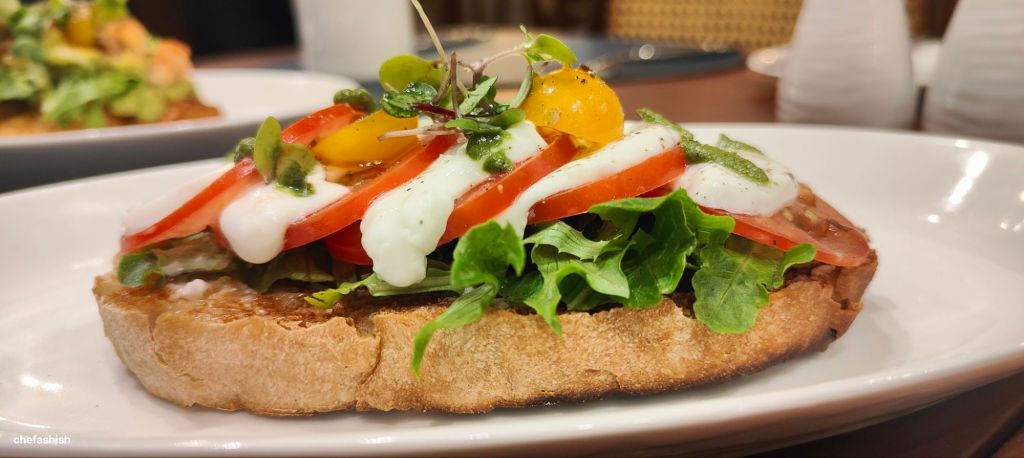
The demand for wholesome, clean, and transparent food has increased sharply. ADD menus now include:
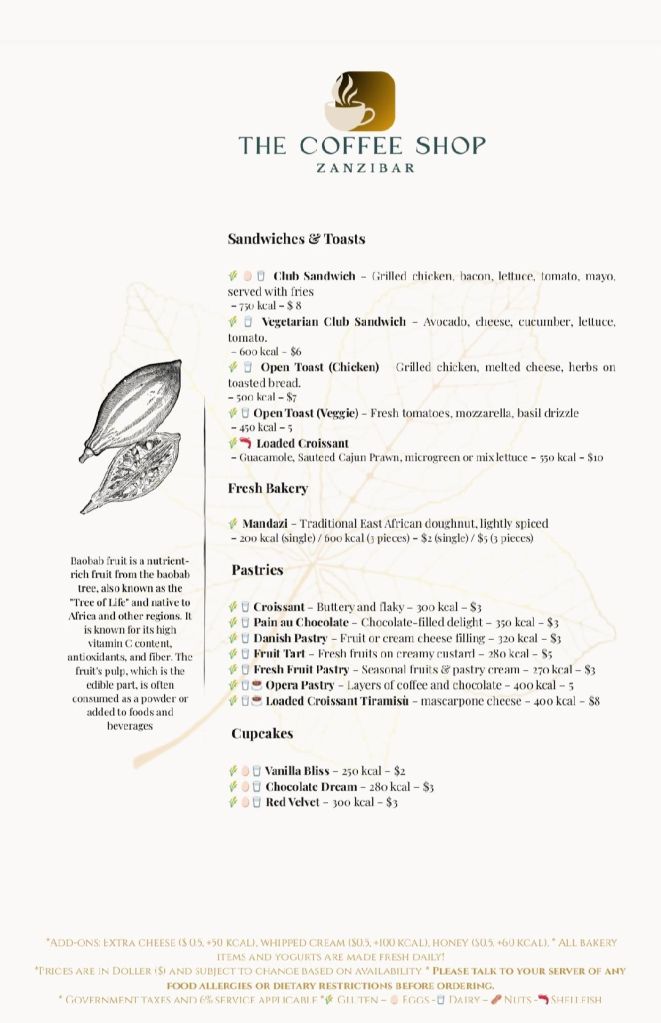
-Low-calorie and gluten-free options
-Vegan and plant-based dishes
-Cold-pressed juices, detox drinks, healthy grains
-Allergen information and calorie counts
Hotels that provide such clarity gain trust and repeat business.
5. Café-Style Evolution: ADD Becomes the Social Hub
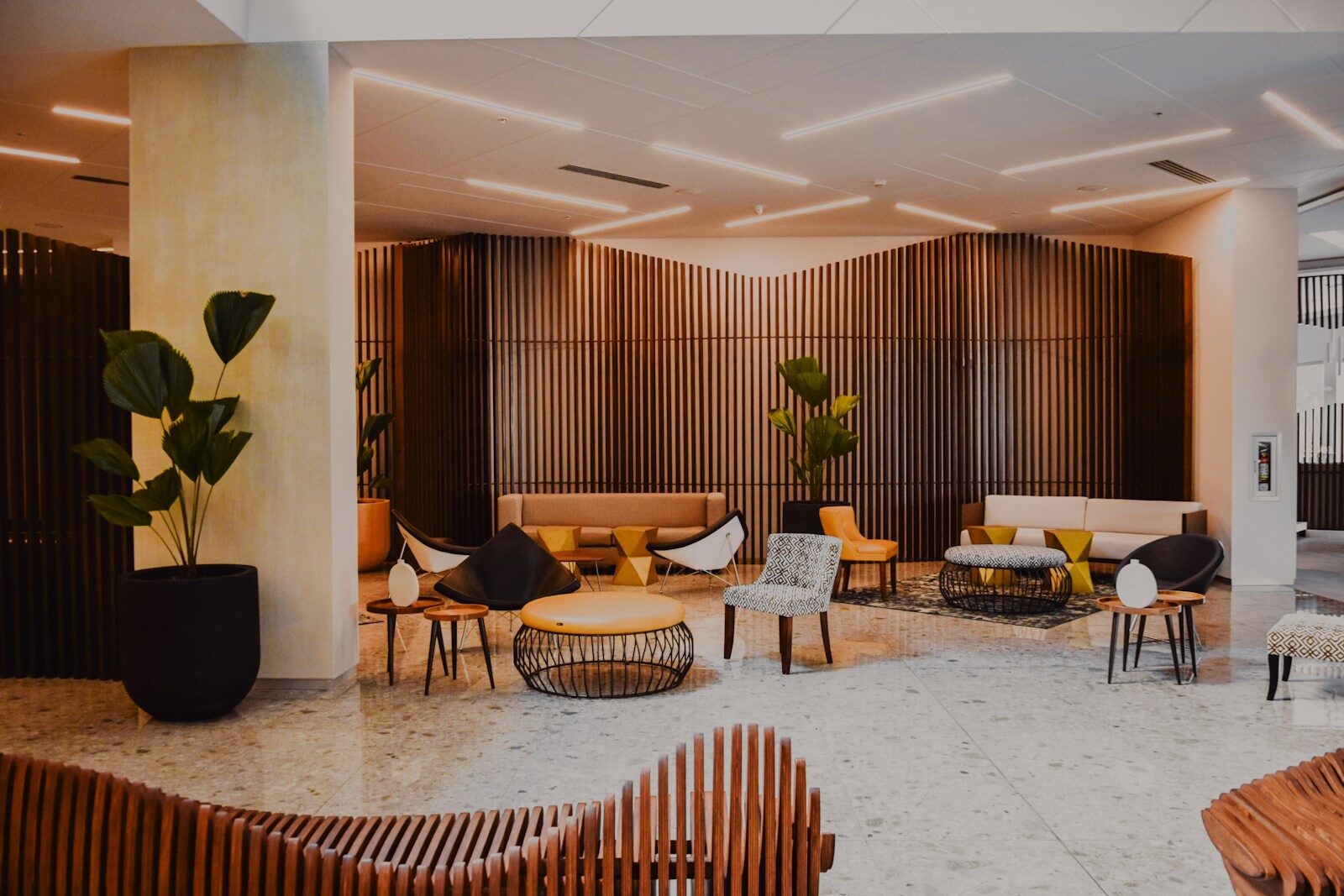
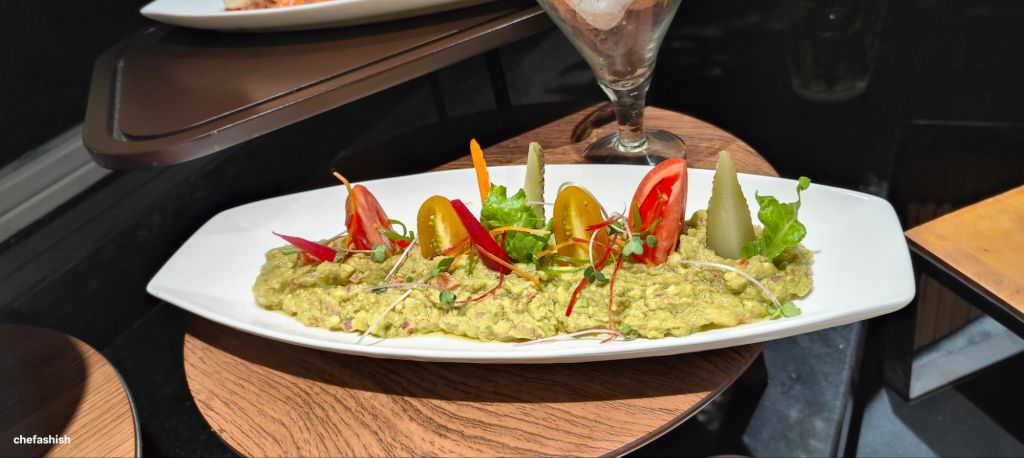
Most modern all-day dining outlets are designed -like premium cafés:
-Warm lighting
-Open kitchens
-Instagram-friendly spaces
-Co-working corners
-Lounge seating
-The ADD outlet increasingly doubles as a social hub, encouraging guests to work, dine, and spend time comfortably throughout the day.
6. Digitalization & Smart Dining
Technology is reshaping the dining experience:
-QR-code menus
-Contactless ordering
-Digital payment integration
-AI-based menu engineering to optimize offerings
Hotels use data to understand guest preferences, increase upselling, and reduce operational inefficiencies.

7. Sustainability & Responsible Dining
Sustainability is no longer optional. Trends include:
-Minimizing food waste through smaller batch cooking
-Eliminating plastic from service areas
-Sourcing ethically and locally
-Composting organic waste
Guests appreciate responsible operations, and hotels benefit through reduced food cost.

8. Experiential Events & Theme Nights
ADD outlets now frequently host:
-Live music brunches
-Regional cuisine festivals
-Chef table dinners inside the ADD space
-Seasonal and holiday-themed buffets
This drives local footfall and turns the restaurant into an independent destination.
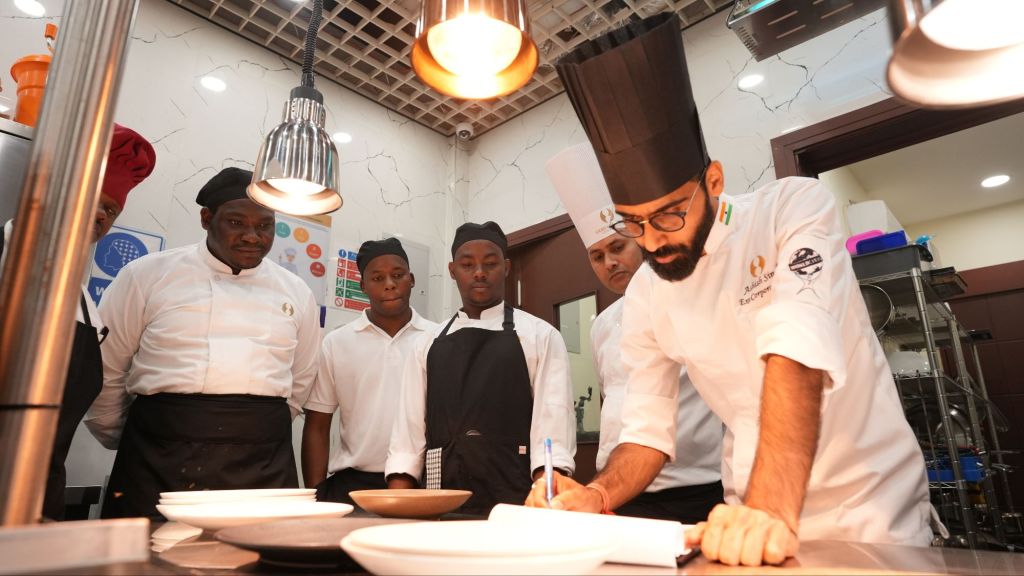
The all-day dining restaurant has moved beyond the old buffet model. Today, it is a flexible, experience-driven, healthy, and locally inspired dining space that reflects the character of the hotel. With evolving guest expectations, ADD outlets are becoming more dynamic, agile, and personalized—making them a key contributor to guest satisfaction and overall hotel revenue.